Speed shows up in revenue
Slow pages cost conversions and visibility. We plan scripts, media, and theme patterns around real catalogue data, not idealised demos.
We build custom front ends, reusable components, and solid technical SEO. Scope and risk are clear before your organisation signs off on budget. As a Shopify Partner we ship a lot of commerce; we also use Framer and WordPress when they fit your content model better.






.png)
Stacks we work in most



Themes, sections, and components should stay testable: fewer mystery apps, clearer boundaries, and consent or tracking handled before launch. We stay aligned with UX/UI so breakpoints and edge cases still behave once the site is live.

Slow pages cost conversions and visibility. We plan scripts, media, and theme patterns around real catalogue data, not idealised demos.
Checkout and catalogue templates stay deliberately simple so shoppers see predictable flows and your team sees fewer emergencies.
Migrations, integrations, and SEO risk are named up front so your organisation does not fund the same rebuild twice.
“Checkout and catalogue templates should feel almost boring. Predictable beats clever when money and trust are on the line.”
New build, speed sprint, components only, or help sizing an RFP: we coordinate with UX/UI and bring in strategy when the roadmap should follow revenue, not feature lists.
The stack varies; the discipline should not. We aim for templates your team can explain, scope your organisation can stand behind, and a launch checklist your team can reuse.
As a Shopify Partner, we implement and refine themes using real catalogue data: reusable sections, tight script budgets, and fewer fragile app stacks.
Framer projects with repeatable sections, motion used sparingly, and a page hierarchy and navigation model that still make sense when marketing adds pages after launch.
Block themes and patterns that protect layout, contrast, and performance when editors publish without a developer in the loop.
Core Web Vitals and technical SEO are engineering work: images, fonts, structured data, redirects, and theme decisions that affect rankings, not last-minute patches the week after go-live.
URL plans, awkward checkout cases, and consent or tracking checks are surfaced early so your organisation migrates once. Large replatforms can roll out in phases when your organisation cannot afford downtime.
Shopify themes and tuning, Framer publish sites, WordPress block themes, and bespoke front ends when your organisation needs fine-grained UI control. We recommend based on your content workflow and who owns the site after launch.
Core Web Vitals, image and font delivery, script budgets, and cleaning up themes or apps. Technical SEO includes structured data, canonical and redirect hygiene, sitemaps, and treating speed as part of the ranking picture. Content and keyword strategy are separate unless your organisation adds a strategy engagement.
Yes: scoping calls, code or theme reviews, migration planning, and phased rebuilds when a single big-bang launch is not realistic.
Your team receives documented structure, deployment steps, and guidance for how marketing should edit content. Optional retainers cover periodic reviews if your organisation wants them.
Responsive rules, component behaviour, content priority, and realistic copy lengths. Any gaps are closed with UX/UI before engineering starts.
Send your platform and timing. We reply with a plan that calls out risks before work starts.

WordPress to Framer migration with a rebrand-led design built for lead generation, booked calls, and portfolio credibility.
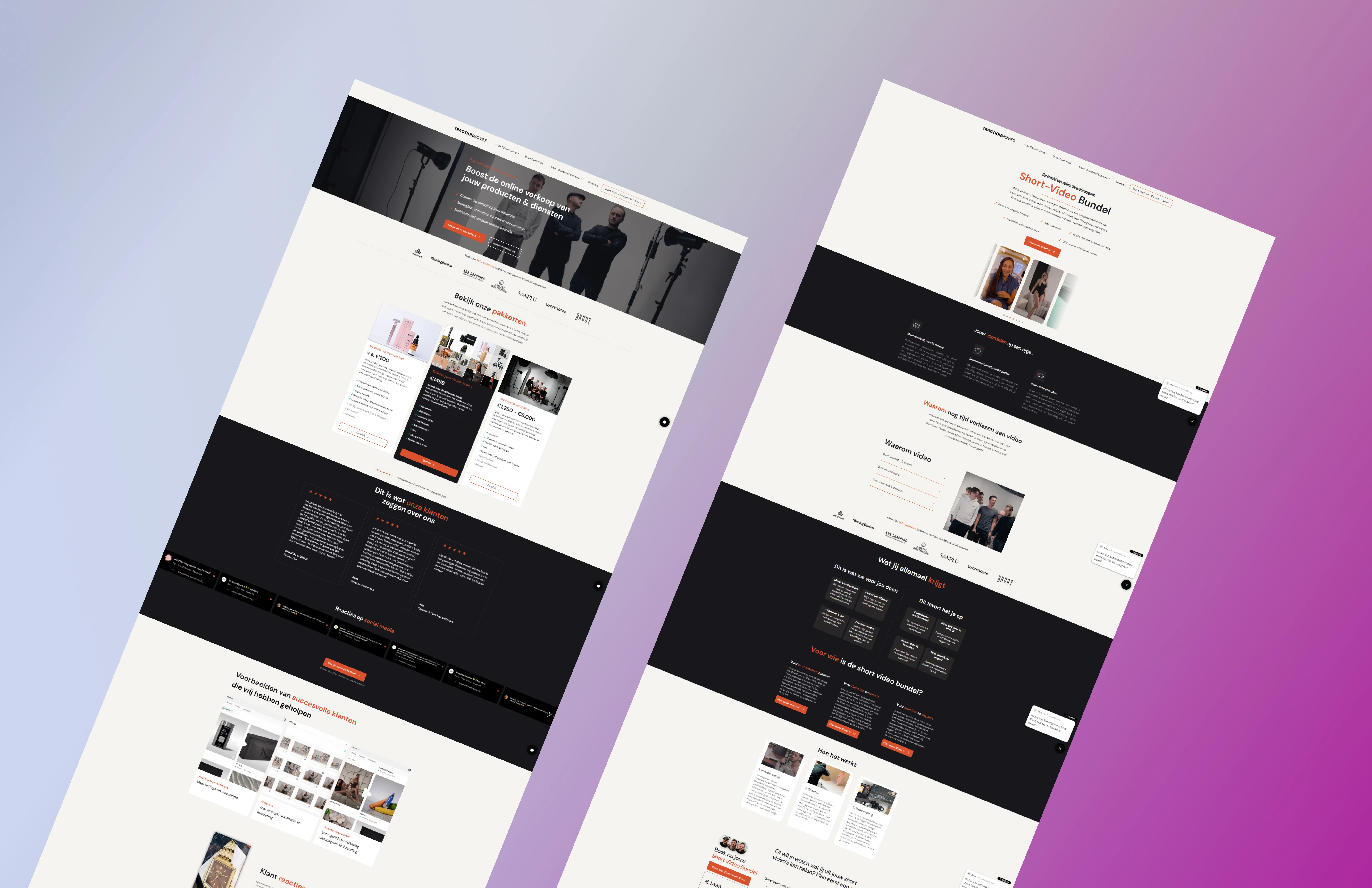
Framer portfolio for a branding studio: bold visuals, quick load times, and room for the team to grow the site.
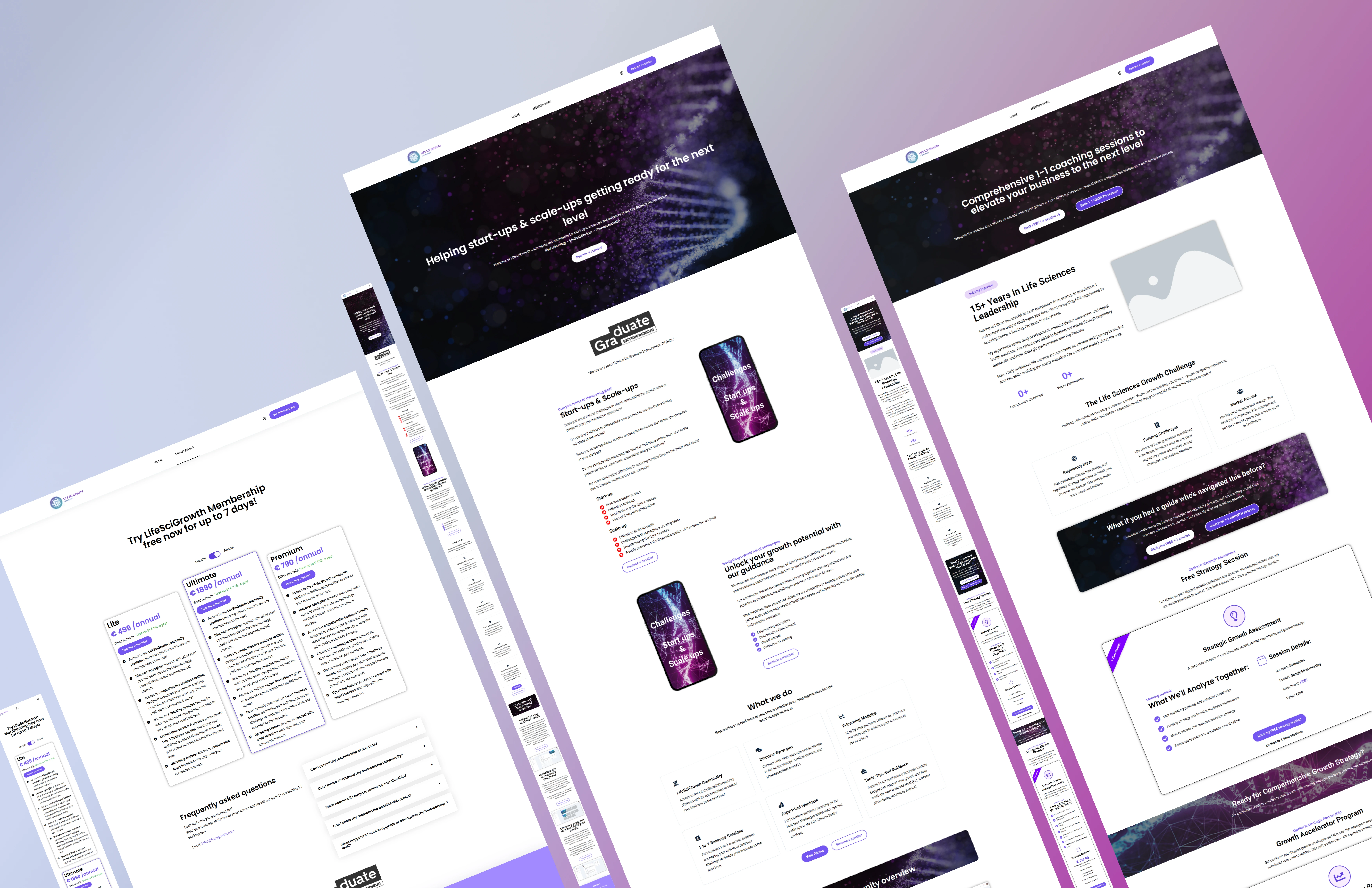
Rebrand with a new Shopify store for supplements: brand, UX, and performance shipped in one release.