Conversion is the full journey
Layout, spacing, and hierarchy decide whether people add to cart, book, or leave. We design end-to-end flows, not hero comps that ignore the rest.
Custom page and component design shaped around how your organisation sells: information architecture that fits your CMS or commerce setup, and light brand tuning on the site (logo, colour, type) when the project is digital-first. Deeper work extends into full brand identity when the brief goes beyond the browser.






.png)
Where this design work usually ships



Strong UX/UI keeps navigation straightforward, hierarchy obvious, and the primary action easy to find on Shopify, Framer, WordPress, or a custom build. Structure carries the brand so the experience reads consistently for people and search.
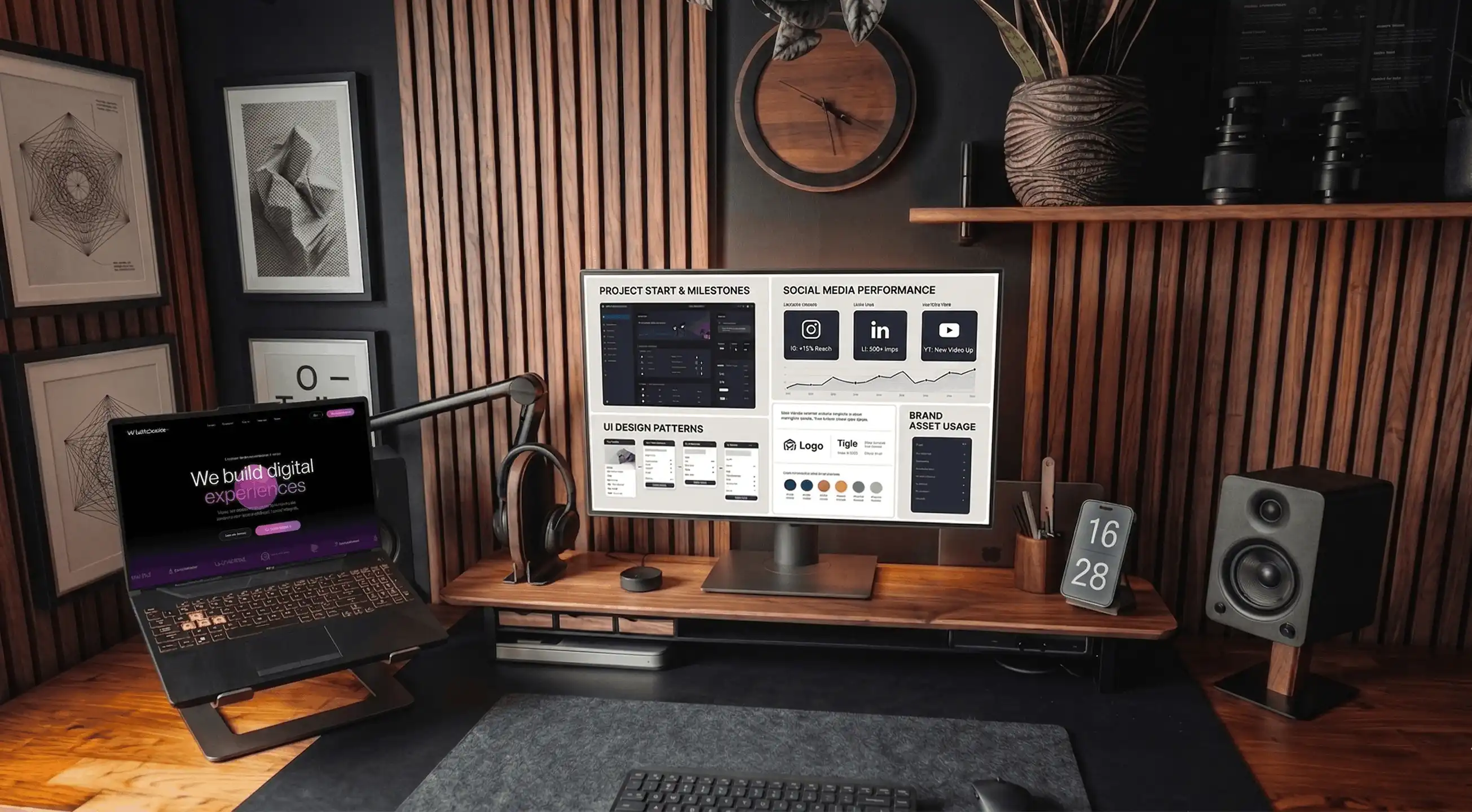
Layout, spacing, and hierarchy decide whether people add to cart, book, or leave. We design end-to-end flows, not hero comps that ignore the rest.
Type scale, colour roles, and component tone carry identity into checkout, filters, and long-form content. Those screens are where trust is won or lost.
Heavy sections and vague components become slow pages in production. We design around breakpoints, real content limits, and what the platform can carry.
“Quick mobile check: from one screen, can a new visitor name the top category and the main action? If not, fix structure before adding polish.”
We sit between strategy and development: custom templates and components, IA that fits your CMS or commerce model, sensible on-brand tweaks where needed, and a path to full brand identity when the project needs it.
Homepage hero, catalogue states, and long support articles all deserve the same rigour. Decisions track how people actually browse on Shopify, Framer, and WordPress, and what your team can maintain week to week.
Tighter sitemaps with fewer orphan pages, clearer parent and child relationships, and navigation that survives a growing catalogue or blog.
Each template has a job: what it should accomplish and what a visitor should believe before the main call to action. That keeps mobile and desktop flows aligned.
Component libraries that absorb large SKU sets, long FAQs, and campaign landing pages without a new one-off layout every sprint.
Empty, error, loading, and slow states, plus focus order, contrast, and labels, are specified up front rather than patched in after an audit.
Behaviour per breakpoint, motion intent, and QA with development so spacing and states survive handoff and build.
Custom page and template design, component libraries, IA aligned to your CMS, light logo, colour, and type updates when the brief is web-led, plus responsive rules and developer notes. Broader programmes can expand into brand identity when your organisation needs depth beyond the site.
Often design and build together so spacing and states survive implementation. If your organisation has its own engineers, we deliver structured specs and can run alongside them.
Shopify commerce, Framer marketing sites, WordPress block themes, and bespoke front ends. Platform limits shape how we define components.
Site-led refreshes usually cover logo adjustments, palette, and typographic rhythm inside templates and components. Positioning, broader systems, and long guidelines are scoped as brand identity when that is what your organisation actually needs.
Compact marketing sites are often a few weeks; large catalogue or multilingual builds take longer. Timeline and scope are set after discovery.
Share your URL and goals. We respond with a UX or UI scope matched to how your organisation sells today.

WordPress to Framer migration with a rebrand-led design built for lead generation, booked calls, and portfolio credibility.
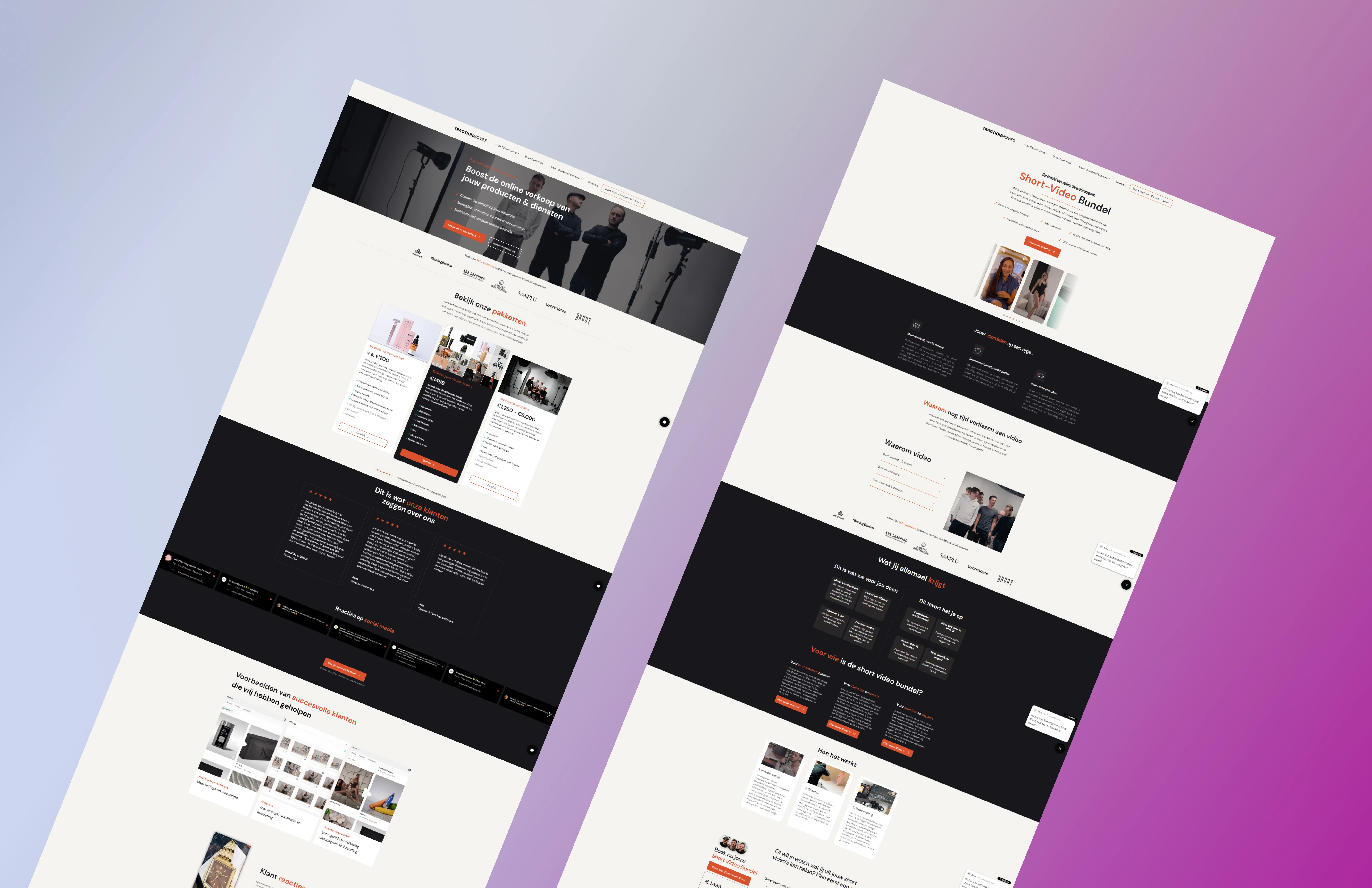
Framer portfolio for a branding studio: bold visuals, quick load times, and room for the team to grow the site.
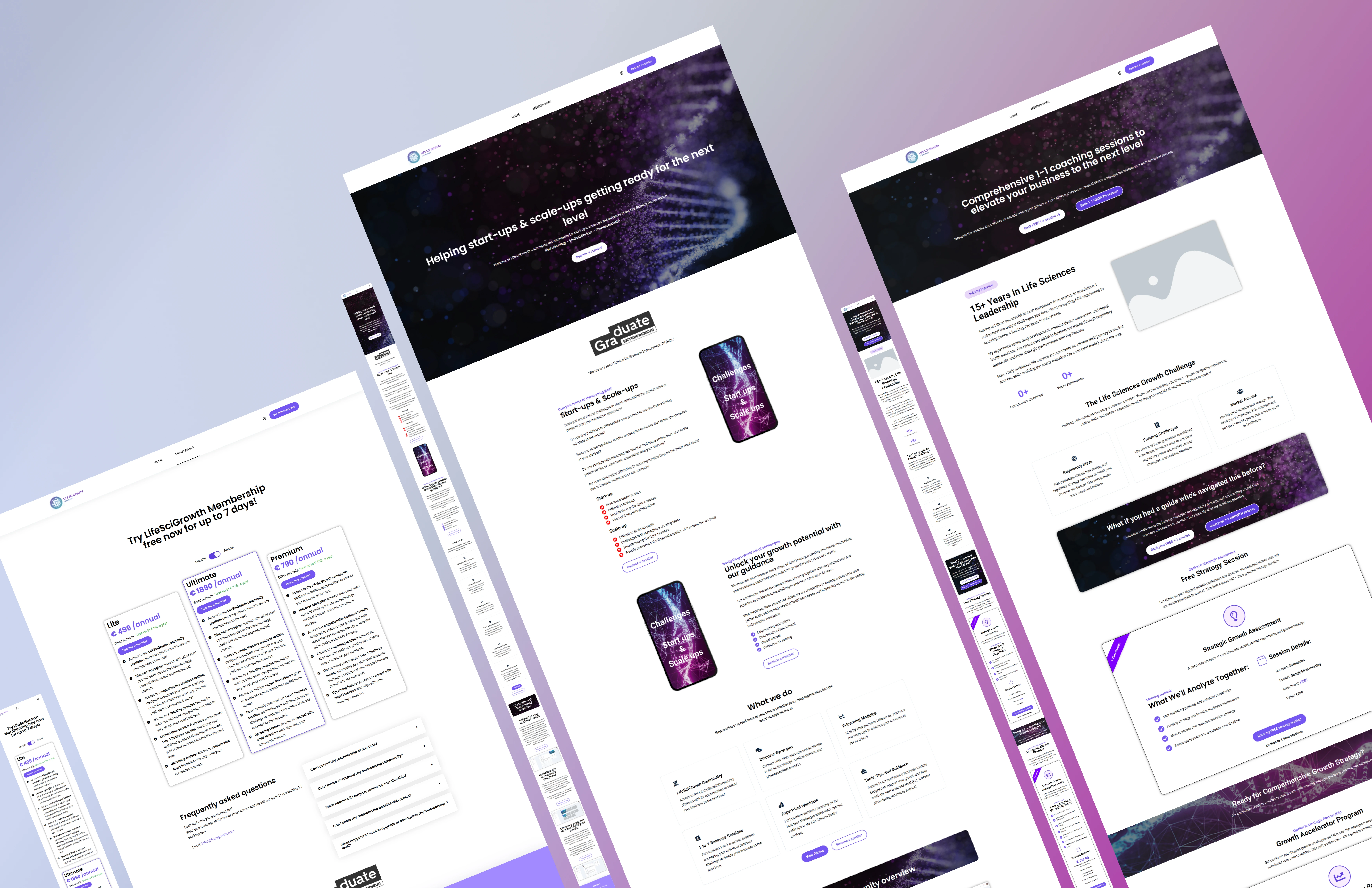
Rebrand with a new Shopify store for supplements: brand, UX, and performance in one release.